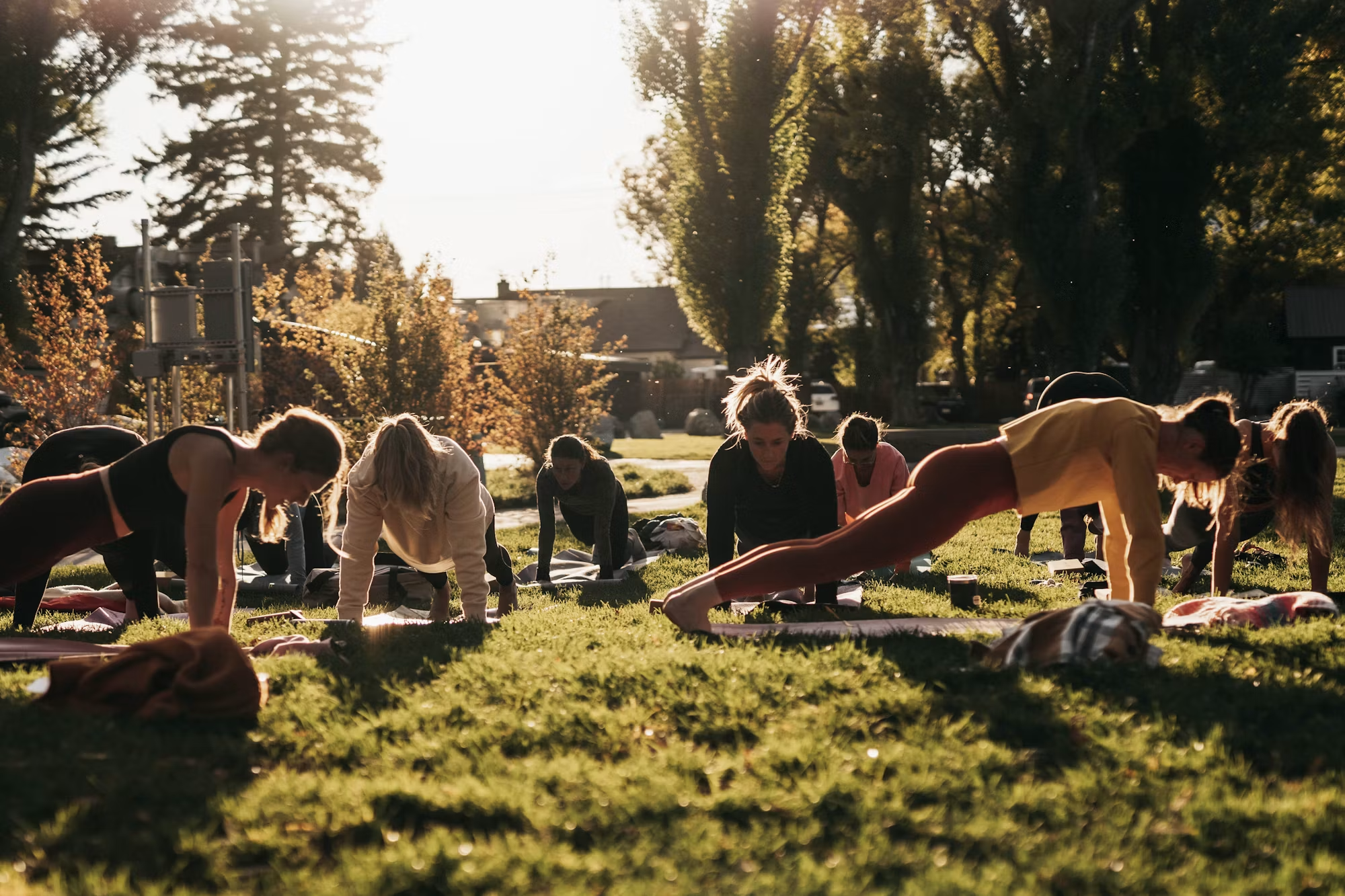
In today’s fast-paced world, the allure of outdoor fitness activities has grown significantly. From hiking and cycling to outdoor yoga and team sports, exercising in nature offers a refreshing break from the confines of the gym. This article explores the myriad benefits of outdoor fitness, detailing how these activities can enhance physical health, boost mental well-being, and foster social connections.
The Physical Benefits of Outdoor Exercise
Engaging in outdoor fitness activities presents unique advantages for physical health. Fresh air and natural light are essential components of a well-rounded exercise routine, and they come with numerous benefits:
1. Increased Vitamin D Intake: Exercising outdoors exposes you to sunlight, which is crucial for vitamin D production in the body. Vitamin D is essential for bone health, immune function, and overall well-being. Regular outdoor activity ensures you receive adequate sunlight exposure, particularly in areas with limited indoor natural light.
2. Improved Cardiovascular Health: Many outdoor activities, such as running, cycling, or hiking, provide excellent cardiovascular workouts. These activities increase heart rate and improve circulation, reducing the risk of heart-related issues. Over time, outdoor exercise contributes to better cardiovascular fitness and endurance.
3. Enhanced Strength and Flexibility: Outdoor fitness often incorporates varied terrains and surfaces, challenging your muscles in different ways. For instance, hiking on uneven trails engages stabilizing muscles, improving overall strength and balance. Yoga practiced in nature can also enhance flexibility while promoting relaxation and mindfulness.
4. Weight Management: Participating in outdoor activities can be an enjoyable way to burn calories and manage weight. Whether it’s a vigorous mountain bike ride or a leisurely walk in the park, outdoor exercise encourages movement and helps maintain a healthy weight.
Mental Health Benefits of Exercising Outdoors
The mental health benefits of outdoor fitness activities are profound and well-documented. Nature has a unique ability to uplift spirits and enhance mental clarity:
1. Reduced Stress Levels: Spending time outdoors has been shown to lower stress and anxiety levels. Natural settings provide a calming atmosphere that helps individuals disconnect from daily stressors. Activities like hiking or walking in the woods can lead to a significant decrease in cortisol, the stress hormone.
2. Improved Mood and Mental Clarity: Outdoor exercise stimulates the release of endorphins, the body’s natural mood lifters. Engaging in physical activity in nature can lead to feelings of happiness and increased energy levels. The beauty of natural landscapes often inspires creativity and clear thinking, making outdoor exercise an excellent choice for boosting mental performance.
3. Enhanced Mindfulness and Connection to Nature: Outdoor fitness encourages mindfulness, as individuals often find themselves immersed in the sights and sounds of nature. This connection can foster a sense of peace and belonging, enhancing overall well-being. Mindfulness practices combined with outdoor activities, such as yoga in a park, can deepen this experience.
Social Benefits of Outdoor Activities
Outdoor fitness is not just about individual improvement; it can also enhance social connections. Engaging in activities with others fosters community and camaraderie:
1. Building Social Connections: Participating in group outdoor activities, such as hiking clubs, cycling teams, or outdoor fitness classes, provides opportunities to meet new people and form friendships. The shared experience of exercising outdoors creates bonds and encourages mutual support.
2. Encouragement and Motivation: Exercising with others can boost motivation and accountability. Group activities often push individuals to work harder and achieve their fitness goals. The encouragement of peers can transform the experience from a solitary endeavor to a fun and engaging social event.
3. Family Bonding: Outdoor fitness activities are a wonderful way for families to spend quality time together. From weekend hikes to family bike rides, these shared experiences strengthen family bonds and create lasting memories. Engaging in physical activities together also promotes healthy habits for children, instilling a love for fitness from an early age.
Getting Started with Outdoor Fitness
For those looking to embrace outdoor fitness, the following tips can help you get started:
1. Explore Local Options: Research parks, trails, and outdoor spaces in your area. Many communities offer designated hiking trails, biking paths, and outdoor fitness equipment. Take the time to explore different locations to find what resonates with you.
2. Start Small: If you’re new to outdoor fitness, begin with manageable activities, such as short walks or gentle bike rides. Gradually increase the duration and intensity of your workouts as your fitness level improves. Setting achievable goals can help you stay motivated and committed.
3. Join a Group or Class: Look for local fitness groups or classes that focus on outdoor activities. Many communities have clubs dedicated to hiking, running, or cycling, providing a supportive environment to enhance your experience.
4. Plan for Weather: When exercising outdoors, it’s essential to consider weather conditions. Dress appropriately for the climate and be mindful of potential changes in weather. Bring necessary supplies, such as water, snacks, and sun protection, to ensure a comfortable experience.
5. Incorporate Variety: To keep your outdoor fitness routine engaging, mix different activities. Alternate between hiking, biking, outdoor yoga, and team sports. This variety can prevent boredom and allow you to discover new passions.
Safety Tips for Outdoor Fitness
While outdoor fitness is generally safe, it’s important to follow certain guidelines to ensure a positive experience:
1. Stay Hydrated: Always bring water, especially during warm weather or strenuous activities. Staying hydrated is crucial for optimal performance and recovery.
2. Know Your Limits: Listen to your body and recognize your limits. If you’re feeling fatigued or in pain, take a break. Pushing yourself too hard can lead to injuries or burnout.
3. Wear Proper Gear: Invest in quality footwear and clothing suited for the activity. Proper gear can enhance comfort and prevent injuries while enjoying outdoor fitness.
4. Be Aware of Your Surroundings: When exercising in unfamiliar areas, stay alert and aware of your surroundings. Familiarize yourself with the terrain and any potential hazards, such as uneven ground or wildlife.
Conclusion
Outdoor fitness activities offer a wealth of benefits for physical, mental, and social well-being. By embracing the great outdoors, individuals can enhance their overall health while enjoying the beauty and serenity of nature. Whether you’re hiking through scenic trails, cycling along coastal paths, or practicing yoga in a park, outdoor fitness allows you to connect with yourself and the environment. So, step outside, breathe in the fresh air, and explore the transformative power of outdoor exercise—your body and mind will thank you.