Functional training has emerged as a powerful approach to fitness, focusing on exercises that mimic real-life movements. Unlike traditional workouts that often isolate muscle groups, functional training integrates multiple muscle systems, enhancing overall strength, coordination, and stability. This article delves into the principles, benefits, and practical tips for incorporating functional training into your fitness routine.
Understanding Functional Training
At its core, functional training is designed to improve everyday activities, making them easier and safer. This training method emphasizes movements that replicate tasks performed in daily life, such as lifting, bending, pushing, and pulling. By engaging multiple muscle groups, functional exercises promote a balanced and efficient body movement.
The Benefits of Functional Training
1. Improved Strength and Endurance: Functional training enhances overall muscle strength, making daily tasks like lifting groceries or climbing stairs less strenuous. With increased endurance, individuals can perform activities longer without fatigue.
2. Enhanced Balance and Coordination: Many functional exercises challenge balance and coordination, crucial skills for maintaining stability in everyday situations. Improved balance reduces the risk of falls, particularly in older adults.
3. Injury Prevention: By training the body to move in ways that mimic real-life scenarios, functional training helps reinforce proper movement patterns. This can significantly reduce the risk of injury during daily activities or sports.
4. Greater Flexibility and Mobility: Functional exercises often involve dynamic movements that enhance flexibility and joint mobility. Improved range of motion contributes to better overall physical performance and comfort.
5. Time Efficiency: Functional training workouts are typically shorter but more intense, allowing individuals to maximize their fitness in a limited time. Many exercises can be performed with minimal equipment, making them accessible for home workouts.
Key Principles of Functional Training
1. Multi-Joint Movements: Functional exercises often involve multiple joints and muscle groups working together, simulating real-life actions. For instance, squats engage the hips, knees, and core, mimicking the action of sitting down and standing up.
2. Core Stability: A strong core is fundamental to functional training. Core exercises, such as planks and rotational movements, help stabilize the body during various activities, enhancing overall strength and balance.
3. Dynamic Movements: Functional training incorporates dynamic, fluid movements rather than static positions. This dynamic approach not only improves strength but also enhances coordination and agility.
4. Customizable Intensity: Functional workouts can be easily modified to suit individual fitness levels. Beginners can start with bodyweight exercises, while advanced practitioners can incorporate weights or resistance bands for added challenge.
Effective Functional Training Exercises
Incorporating a variety of functional exercises into your routine can lead to significant improvements in overall fitness. Here are some key exercises to consider:
1. Squats: A fundamental functional movement that strengthens the legs, hips, and core. Squats mimic the motion of sitting and standing, making them essential for daily activities.
2. Deadlifts: This compound exercise targets the back, legs, and core, teaching proper lifting techniques that are crucial for injury prevention during everyday tasks.
3. Lunges: Lunges improve balance and coordination while strengthening the lower body. They mimic the action of walking, enhancing functional mobility.
4. Push-Ups: A classic upper-body exercise that engages the chest, shoulders, and core. Push-ups build strength and stability, essential for activities like pushing open a heavy door.
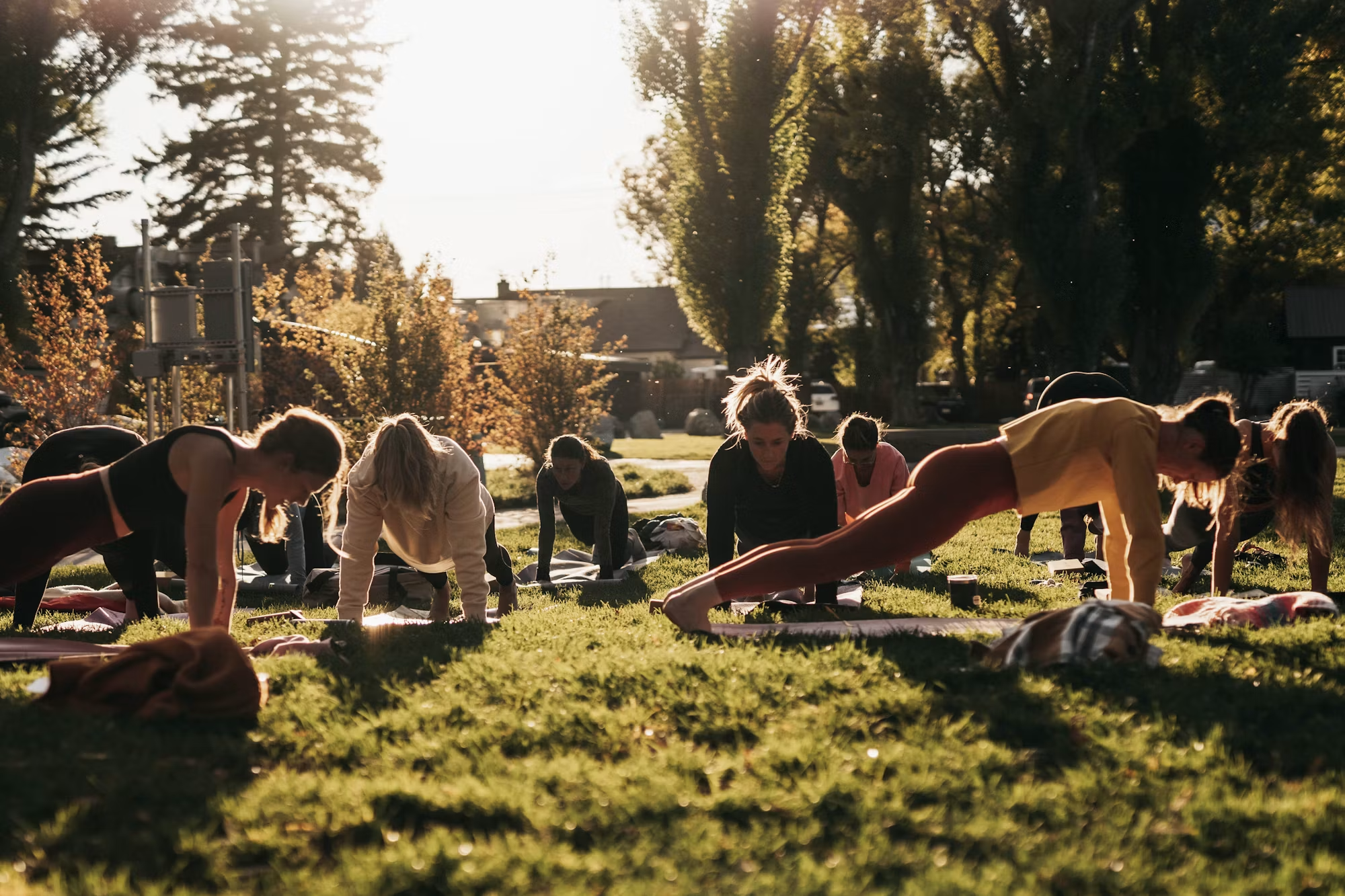
5. Planks: Planks strengthen the entire core, promoting stability and proper posture. A strong core is vital for all functional movements.
6. Medicine Ball Throws: This dynamic exercise enhances coordination and power, simulating real-life actions such as throwing or lifting.
7. Kettlebell Swings: A powerful full-body exercise that boosts strength, endurance, and cardiovascular fitness. Kettlebell swings mimic the motion of picking up and swinging objects.
Creating a Functional Training Routine
To reap the benefits of functional training, consider the following steps to create a balanced routine:
1. Set Clear Goals: Define what you hope to achieve through functional training, whether it’s increased strength, improved balance, or enhanced athletic performance.
2. Incorporate Variety: A well-rounded routine should include exercises that target different muscle groups and movement patterns. Aim for a mix of upper body, lower body, and core exercises.
3. Focus on Technique: Prioritize proper form to maximize effectiveness and prevent injuries. If you’re unsure about a movement, consider working with a certified trainer for guidance.
4. Progress Gradually: As your strength and fitness improve, gradually increase the intensity of your workouts. This could mean adding weights, increasing repetitions, or incorporating more complex movements.
5. Listen to Your Body: Pay attention to how your body responds to different exercises. If you experience discomfort or fatigue, allow for adequate rest and recovery.
Overcoming Common Challenges
As with any fitness regimen, individuals may face challenges when adopting functional training:
– Time Constraints: If time is limited, consider shorter, high-intensity workouts that maximize effectiveness. Even 20-30 minutes of focused training can yield significant benefits.
– Lack of Equipment: Functional training can be adapted to require minimal equipment. Many exercises utilize body weight or everyday items, like chairs or water bottles, for resistance.
– Self-Doubt: Beginners may feel intimidated by the idea of functional training. Start with basic exercises and gradually build confidence as you improve your skills.
Tracking Progress
Monitoring progress is essential for staying motivated and achieving fitness goals:
1. Keep a Workout Journal: Document your workouts, noting exercises, sets, and repetitions. Tracking your progress can help you identify improvements and areas for growth.
2. Set Milestones: Celebrate small victories, such as completing a challenging workout or mastering a new exercise. Recognizing achievements can boost motivation.
3. Seek Feedback: If possible, work with a fitness professional who can provide constructive feedback and help you refine your technique.
Conclusion
Functional training is a dynamic and effective approach to fitness that empowers individuals to improve their strength and mobility for everyday life. By focusing on movements that replicate real-life actions, functional training enhances overall physical performance while reducing the risk of injury. Whether you’re a beginner or an experienced athlete, incorporating functional exercises into your routine can lead to significant improvements in your quality of life. Embrace the art of functional training, and experience the strength and agility that comes from moving efficiently and effectively.